


Common Mistakes Brands Make with Packaging and How to Avoid Them
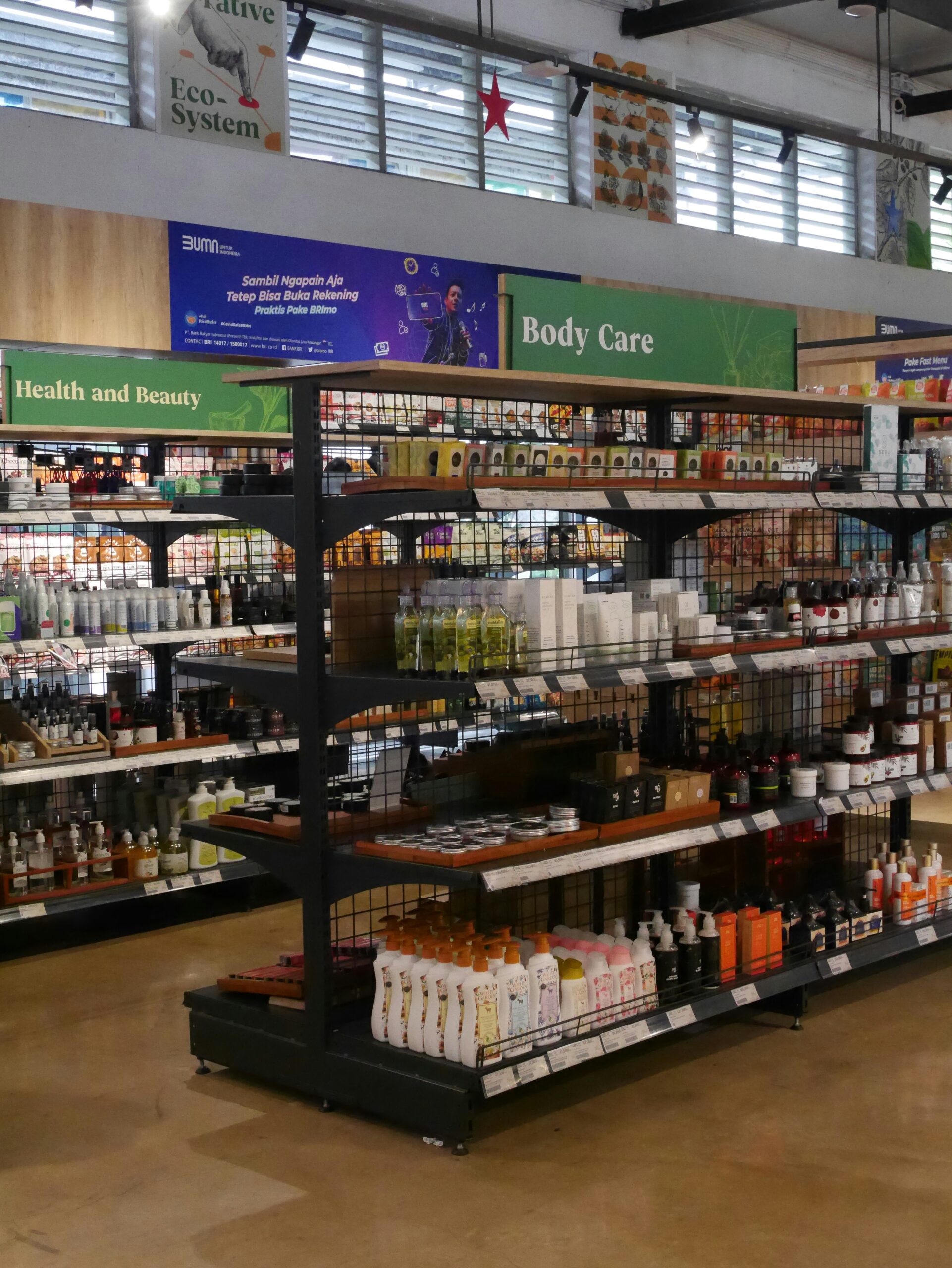
In the fast-paced world of FMCG, packaging does more than just hold a product. It’s the first moment of truth with the shopper, a silent salesperson on the shelf, and a crucial link in the supply chain. Yet too often, even the strongest brands stumble when it comes to packaging design and execution.
From overcrowded labels to inefficient shapes that frustrate store teams, packaging mistakes can quietly undermine brand performance, reduce visibility, and create friction at every step from the warehouse to the customer’s trolley.
Here’s a look at the most common packaging missteps we see, and how smart brands are fixing them.
Confusing the Customer with Competing Callouts
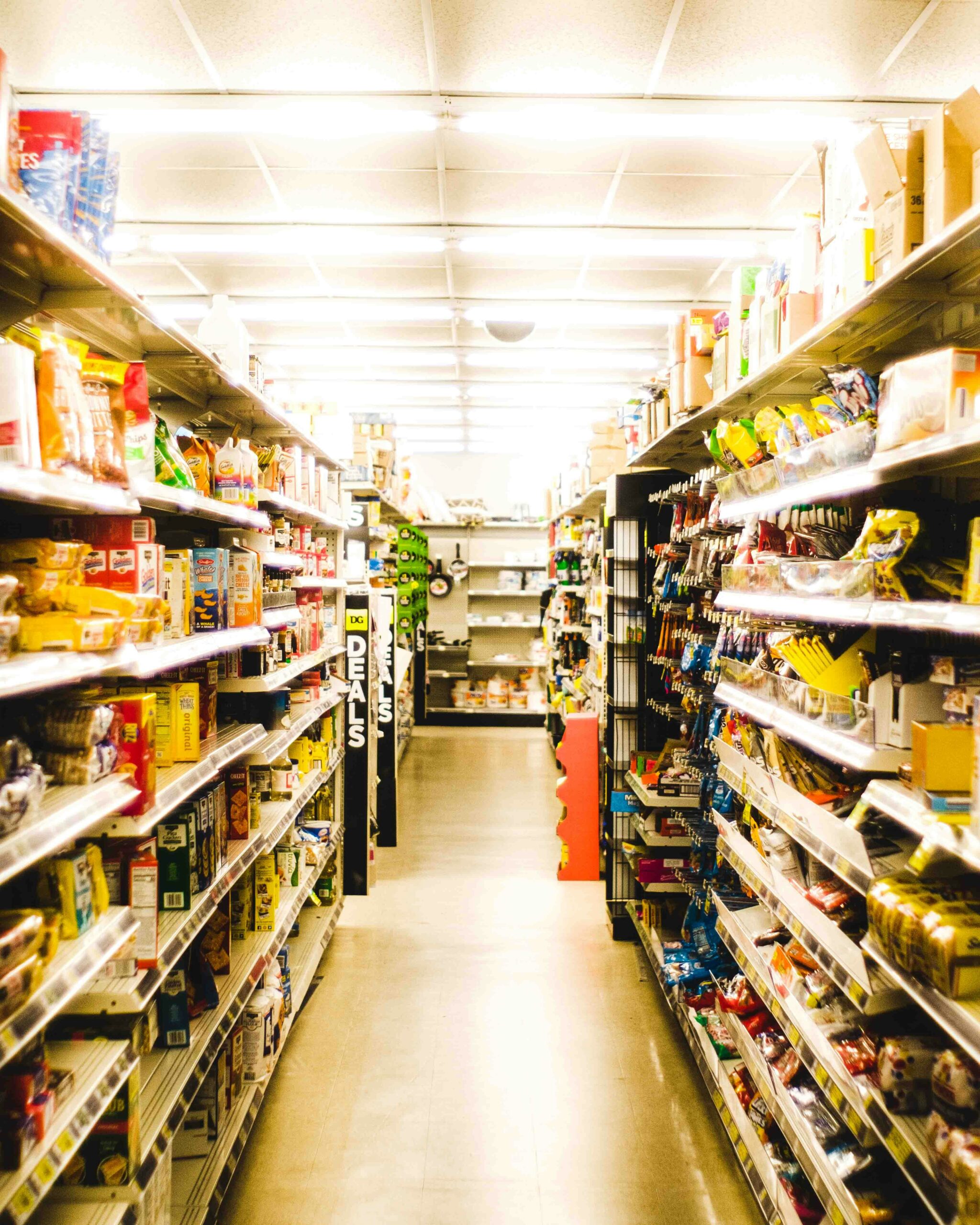
It’s tempting to make every front-of-pack claim “natural,” “sugar-free,” “high protein,” “vegan,” “recyclable.” But when too many messages fight for attention, none of them land. Shoppers are bombarded with visual noise, and instead of clarity, they’re left uncertain about what the product actually is.
A 2024 NielsenIQ report found that consumers spend less than seven seconds making a purchase decision in-store. In that moment, clear hierarchy and simplicity matter more than ever.
What brands should do:
- Prioritise one or two key callouts that align with your core brand positioning.
- Use design hierarchy, font, placement, colour to make the main benefit instantly recognisable.
- Test your packaging with real shoppers. If they can’t describe what it offers after three seconds, simplify it.
Forgetting the Frontline
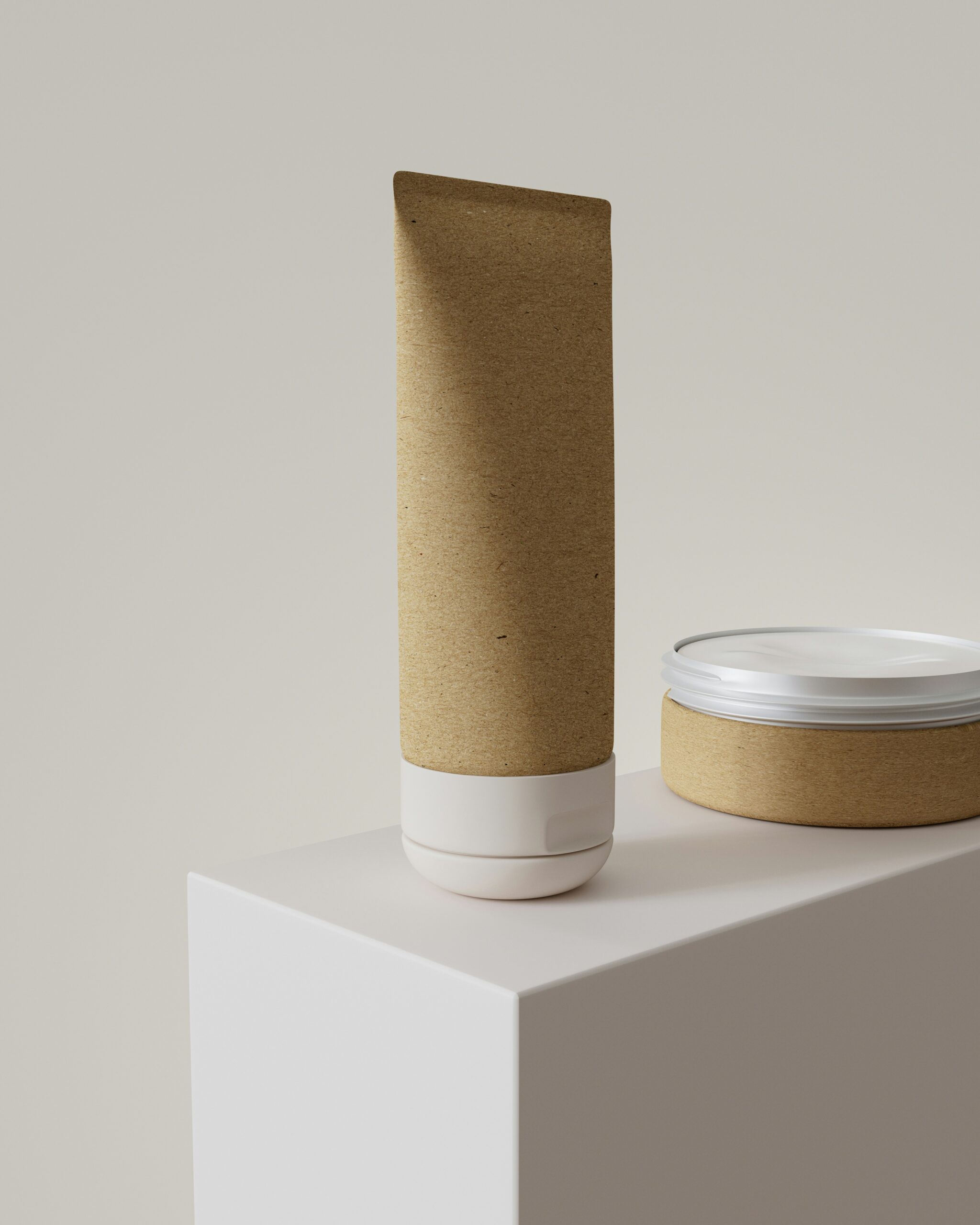
It’s easy to forget that before a product ever reaches a customer’s basket, it passes through the hands of store teams. If your packaging is awkward to stack, fragile, or lacks clear facing indicators, it slows down replenishment and leads to inconsistent presentation on-shelf.
Retail partners increasingly expect supplier collaboration on packaging efficiency, especially in a labour-constrained environment. A design that looks great in a mock-up but takes twice as long to restock can quickly become a frustration.
What brands should do:
- Consider shop floor usability early in the packaging design process.
- Conduct trials with store teams to test ease of filling, stacking, and scanning.
- Include clear visual markers (e.g. top/bottom orientation, front-of-pack identifiers) to streamline shelf presentation.
- Ensure outer cartons open cleanly and support “one-touch” replenishment.
Ignoring Shelf Space & Efficiency
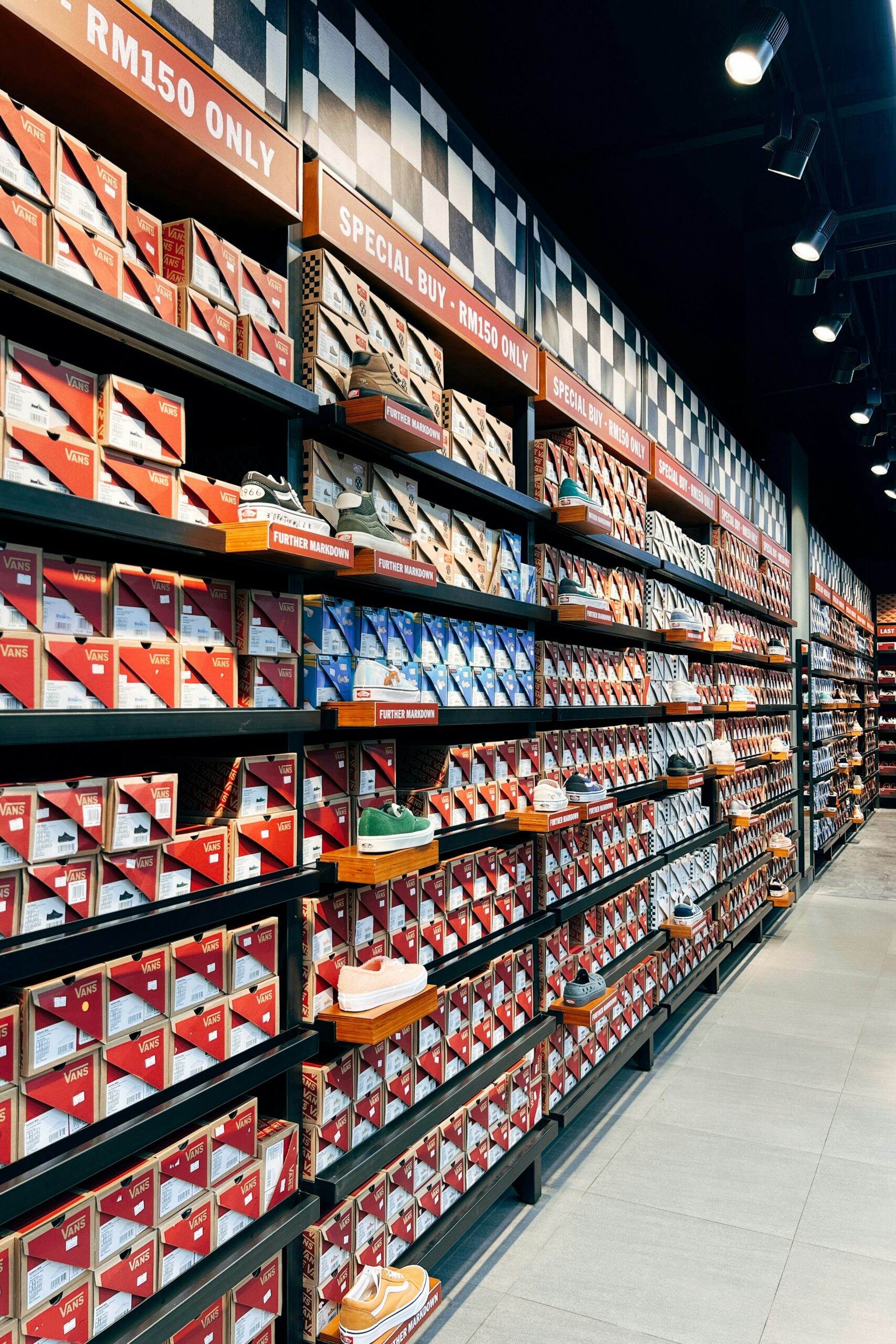
Shelf real estate is one of the most valuable and limited assets in retail. Yet many brands overlook how their packaging dimensions and shape affect overall shelf efficiency.
Oversized or irregularly shaped packaging can make it difficult to achieve consistent facings, while underutilising vertical or horizontal space. This not only reduces the number of units that fit per shelf (impacting rate of sale) but can also disrupt planogram flow.
What brands should do:
- Design with shelf footprint optimisation in mind , balance shelf presence with efficient use of space.
- Partner with retailers during planogram reviews to understand optimal pack count per facing.
- Consider modular pack sizes or flexible case configurations to adapt across store formats.
- Analyse sales velocity versus space taken: does the packaging justify its real estate?
Takeaway Ideas
- Can a shopper instantly tell what this product is and why it’s different?
- Is it effortless for store teams to stock, scan, and display?
- Does it use shelf space efficiently and sustainably?
FEATURED EXPERT
Briony O’Keeffe
Co- Founder & Director

Leave a Reply