

Health, Wellness and Sustainability: Key FMCG Trends Shaping 2025
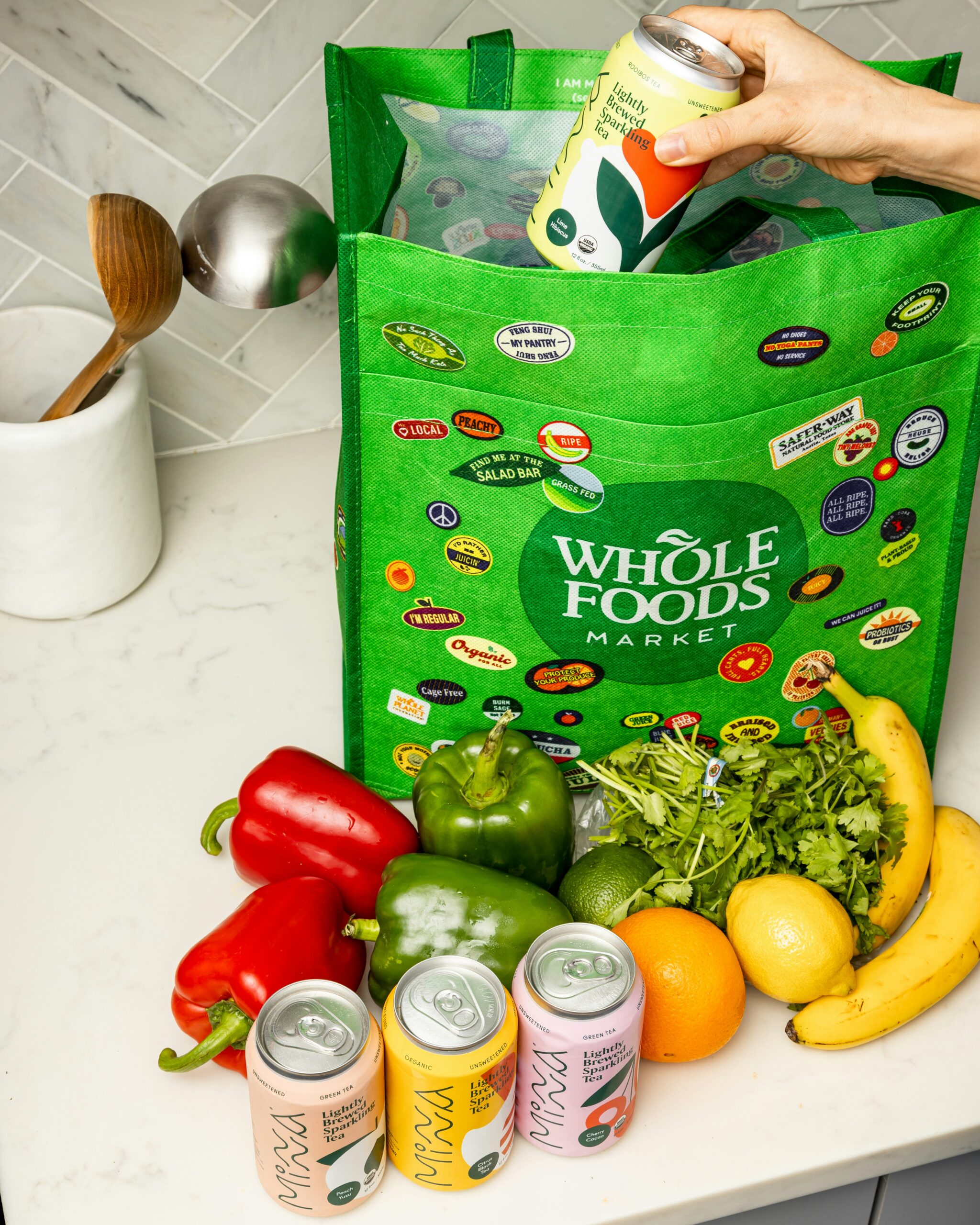
As we move deeper into 2025, the fast-moving consumer goods (FMCG) landscape is being reshaped by a powerful confluence of consumer expectations, technology, and environmental imperatives. Health, wellness, and sustainability aren’t just buzzwords, they are now central business drivers. Below are the most important trends to watch in this space, and what brands need to do to stay ahead.
Health
There is increasing unease about ultra‐processed foods; clean labels and minimally processed products are gaining trust. Functional foods and beverages are booming: items that deliver benefits beyond basic nutrition (e.g. gut health, immune support, adaptogens). Label transparency is key. According to recent NielsenIQ data, a large majority of consumers want clear information about sourcing, ingredients, nutritional value, and health claims.
What brands should do:
- Reformulate with cleaner ingredients; emphasize minimal processing.
- Incorporate functional benefits where relevant, but ensure those are backed by science or credible evidence.
- Be honest and clear in labeling, invest in traceability, ingredient sourcing stories.
Wellness

Consumers, especially Gen Z and Millennials, are moving beyond one-off wellness purchases. Wellness practices are becoming integrated into everyday routines, from nutrition and sleep to mental and emotional health.
There’s growing traction around longevity and healthy aging: products aimed at maintaining cognitive function, preserving energy, or preventing chronic disease are rising in importance.
Mental health and mindfulness are no longer fringe segments. Consumers want solutions embedded in daily life, better sleep, stress management, digital detox, etc.
What brands should do:
- Make wellness claims credible – use rigorous science, transparent data.
- Design products or services that address broader wellness needs (e.g. sleep + mood + gut health), not just isolated benefits.
- Embrace holistic storytelling in marketing: show how the product fits into consumers’ lives, not just what it does in isolation.
Sustainability
Consumers expect sustainability in every aspect: packaging, supply chain practices, carbon footprint, ethical sourcing. It’s now a baseline expectation.
Circular economy models are gaining ground: refillable or returnable packaging, refill stations, reusable containers.
Transparency & accountability are increasingly demanded — people want brands to disclose environmental impact, emissions, labour practices.
What brands should do:
- Audit environmental impact across the full product lifecycle.
- Innovate packaging and logistics to minimize waste.
- Communicate sustainability efforts clearly- and avoid greenwashing (which consumers are growing sceptical of).
Takeaway Ideas
- Health, wellness, and sustainability are converging to reshape FMCG in 2025.
- What used to be niche or value‐add is fast becoming central to what consumers expect, not just in premium segments, but across the board.
- For FMCG brands, success in the coming years will be determined by how well they can translate these expectations into credible, transparent, and meaningful action.
FEATURED EXPERT
Briony O’Keeffe
Co- Founder & Director

Leave a Reply